4 Common Illnesses and How to Avoid Spreading Them
Nov 13, 2026
The holiday season is a perfect storm for spreading germs, combining shared food, close physical contact, and poorly ventilated indoor spaces.
This is the time when respiratory viruses like the common cold, flu, RSV, and COVID-19 peak and spread quickly from person to person.
At Phillips Family Medical in DeSoto, Texas, our team, led by Pamela Chapman, Ph.D., FNP-C, provides expert care for the flurry of winter illnesses that make the rounds. However, we prefer you stay healthy. Here’s how.
Seasonal infections often share similar early signs, such as fatigue, fever, and body aches. Identifying specific symptoms helps you determine when to isolate and when to seek medical care.
Colds develop gradually and usually cause mild symptoms, a runny nose, sore throat, sneezing, and a minor cough. Colds rarely lead to serious health complications for healthy people.
Flu symptoms hit suddenly and much harder than those of a cold. Common signs include a high fever, deep muscle aches, chills, extreme fatigue, and a dry cough.
Respiratory symptoms from COVID-19 range from mild to severe. Key indicators include fever, cough, shortness of breath, fatigue, and a sudden loss of taste or smell. Symptoms can appear anywhere from 2-14 days after exposure.
RSV affects the lungs and breathing passages. While it presents like a mild cold in healthy adults, Centers for Disease Control and Prevention (CDC) surveillance studies show RSV causes significant illness in infants and older adults. Watch for wheezing, rapid breathing, severe coughing, and reduced appetite.
Most seasonal viruses spread through respiratory droplets or direct contact with contaminated surfaces. You can reduce household transmission by building a few consistent habits into your daily routine.
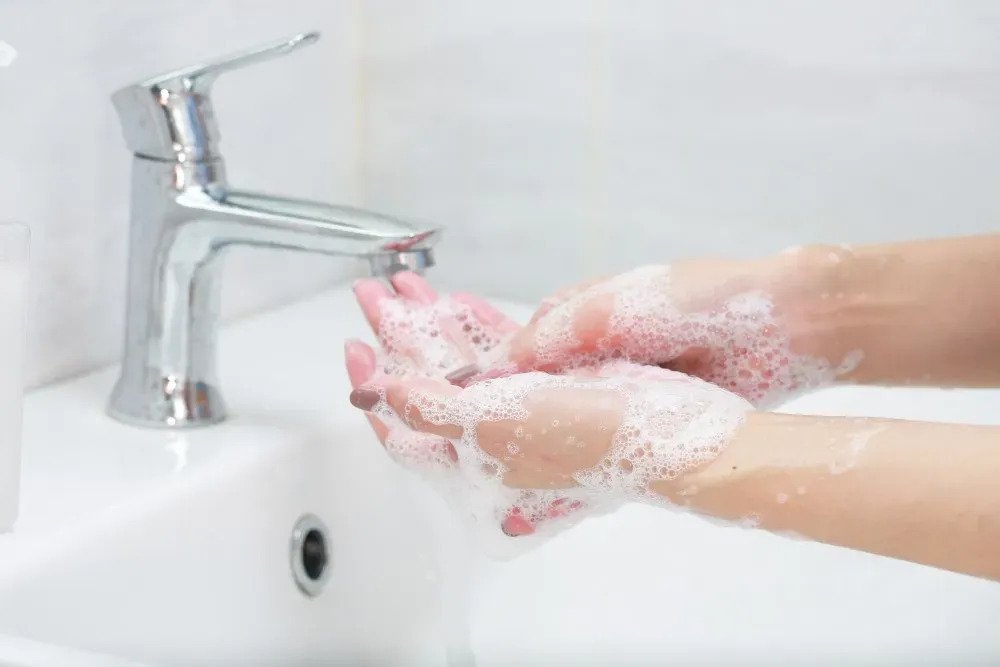
Use soap and clean water for at least 20 seconds, especially before eating and after using the bathroom. Use an alcohol-based hand sanitizer containing at least 60% alcohol when soap isn't available.
Use a tissue or the inside of your elbow, then discard the used tissue immediately.
This includes doorknobs, light switches, smartphones, and countertops. Keep these surfaces clean. If that’s out of your control, such as in public places, avoid touching your face after coming in contact with these surfaces.
Nobody appreciates the coworker with the flemmy-sounding cough, or the classmate who can’t stop sneezing. Stay home if you:
Self-care and rest resolve many minor viral infections, but certain warning signs require professional medical evaluation.
The flu vaccine is recommended for everyone aged 6 months and older, while COVID-19 vaccines are advised for adults and high-risk groups (with an extra dose for seniors 65+). RSV immunizations target adults 75+, high-risk adults 50-74, pregnant women, and infants.
These vaccines are effective at preventing illness and minimizing its severity.
Contact our office if you have any of the following:
Our team offers on-site diagnostic testing to quickly identify your ailment, so we can provide effective treatments, such as antiviral medications for the flu when caught early.
If, despite your best efforts, you still fall ill this winter, make an appointment at Phillips Family Medical by calling 972-709-3415 or booking online today. You can also always just walk in.